A Minneapolis-based commentator is sounding the alarm over rising property taxes in Minnesota, arguing that residents are paying more to compensate for a surge in vacant buildings across downtown Minneapolis.
Homeowners Report Property Tax Hikes Between 20% and 27%
In a video that has quickly circulated on social media, journalist Brookerteejones said that many Minneapolis homeowners are seeing property tax increases ranging from 20% to 27%.
He claimed these hikes are tied to the financial strain created by empty commercial properties that no longer generate revenue.
While walking through downtown, the commentator highlighted dozens of unoccupied buildings—once home to restaurants, offices, and retail stores—that have shut down or relocated, leaving significant portions of the city center unused.
Vacant Buildings Placing New Burdens on Taxpayers
According to his account, the lack of active tenants has shifted the economic burden onto local residents. He argued that taxpayers are effectively left paying for infrastructure and maintenance tied to buildings that sit empty.
Brookerteejones questioned why so many commercial spaces remain unfilled and pointed to federal workforce policies as a contributing factor.
Remote Work and Foot Traffic Decline Blamed for Downtown Woes
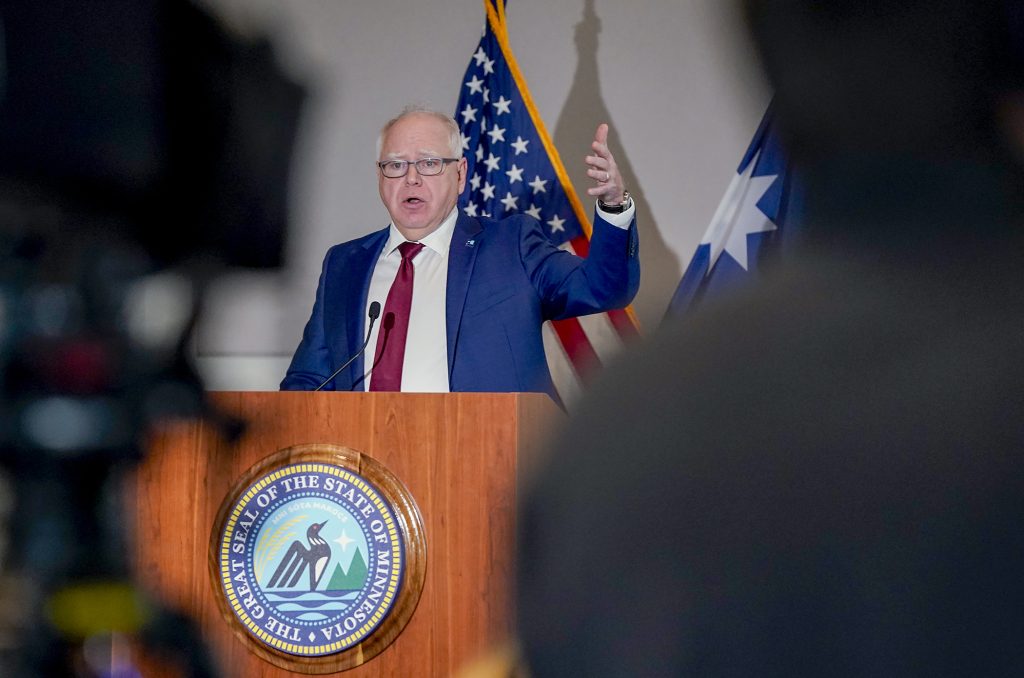
The journalist claimed that Governor Tim Walz has not required federal employees to return to in-person work in Minneapolis, resulting in a dramatically smaller daytime population downtown.
With fewer workers commuting, he said, foot traffic that once supported small businesses has fallen sharply. This decline, he argued, has contributed to restaurant closures, retail shutdowns, and long-term vacancies.
Concerns About Crime Amid Decreased Activity
Brookerteejones also suggested that reduced daytime activity has created conditions for higher crime rates. With fewer people on the streets, he said, parts of downtown feel less safe than before.
He described Minneapolis as a city that once had a thriving urban core but is now struggling to regain momentum after pandemic-era disruptions. Many residents, he said, feel discouraged by the ongoing economic stagnation.
A City With Beauty—but Fewer Places to Spend Money
Despite the challenges, the commentator emphasized that Minneapolis remains visually appealing and culturally significant. However, he noted that visitors may end up spending less money simply because fewer shops and restaurants remain open.
This trend, he said, underscores the difficulty businesses face in sustaining operations in the current climate.
Commentator Links Downtown Troubles to State Leadership Decisions
Brookerteejones suggested that broader policy choices—especially at the state level—have contributed to downtown Minneapolis’ difficulties.
He argued that Governor Walz’s approach to workplace policies and economic recovery efforts has played a role in the ongoing decline and that more assertive action might have helped reverse the trend.
The journalist concluded by calling the situation “very sad” for a city with such architectural beauty and potential. He expressed hope that with stronger leadership and economic support, Minneapolis could still rebound.
He ended on a political note, suggesting the nation “dodged a bullet” by not elevating Walz to national office.
Leave a Reply